City guides
City guides (435)
San Ignacio City Guide
Belize
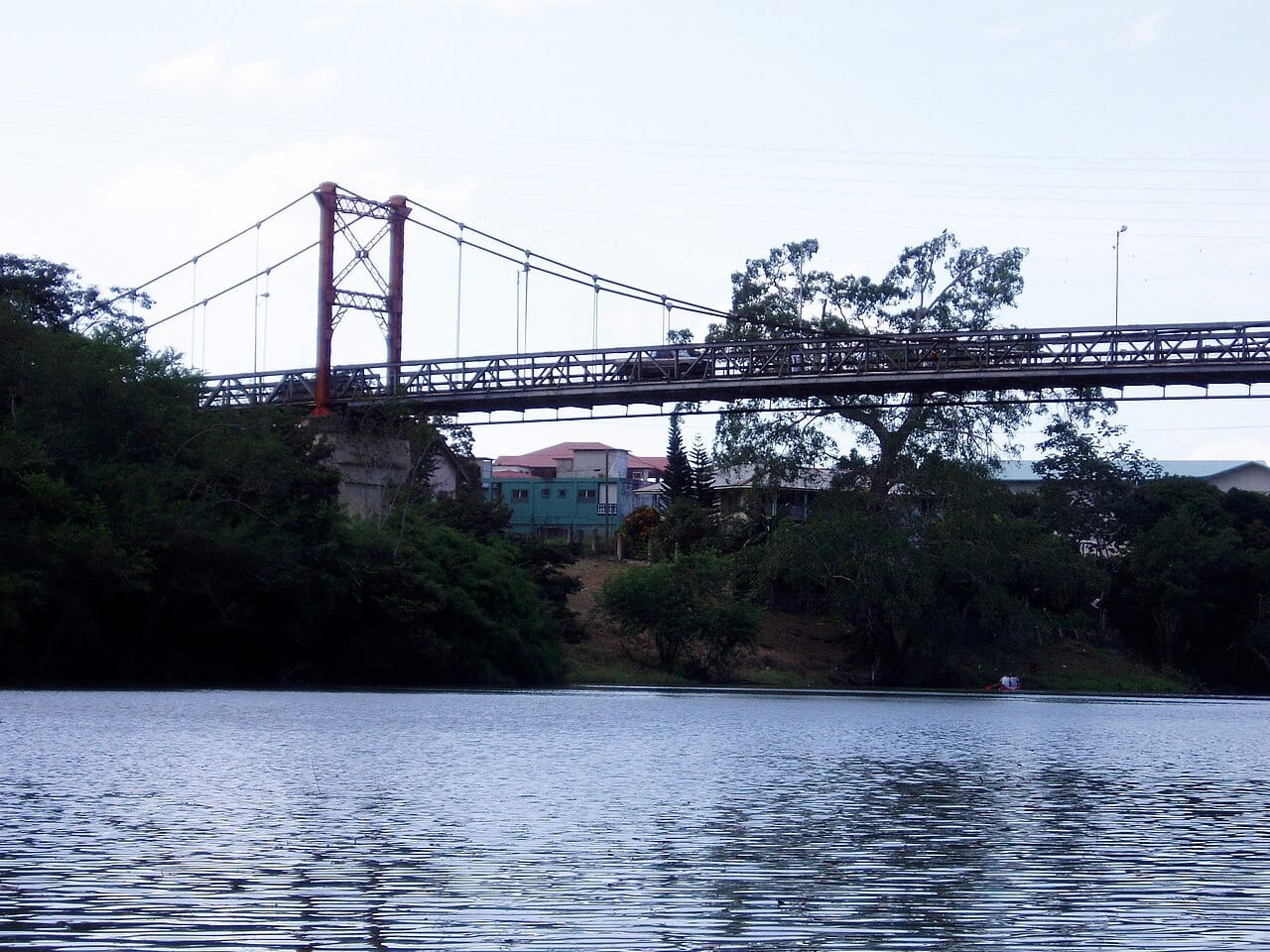
San Ignacio, the hub of the inland Cayo District, is Belize's fastest-growing town and its leading affordable, eco-and-lifestyle investment market, set where the Macal and Mopan rivers meet beneath jungle hills near the Guatemala border and the Maya sites of Xunantunich and Cahal Pech. It is the value alternative to the coast: 2-3 bedroom homes typically run USD 120,000-280,000, while riverfront and acreage properties span USD 180,000-450,000 and entry lots start far lower; prices sit 50-70% below comparable Ambergris Caye or Placencia product. Cayo is one of the country's fastest-appreciating regions off a low base as roads, utilities and tourism infrastructure improve, with mid-single-digit-plus annual growth and strong upside on early entry. Yields favor long-term rentals (5-8% gross) plus growing eco-lodge and agritourism income. Foreigners take full freehold in their own name with no restricted zones, pay an 8% stamp transfer tax above USD 10,000 (7% via IBC), and owe no capital-gains tax. The 2025 Investment Residency Program (BZ$500,000) and the over-45 Qualified Retired Persons program apply, making Cayo a favorite for retirees, homesteaders and farm/eco-lodge investors seeking land and lifestyle at accessible prices.
Sarajevo City Guide
Bosnia and Herzegovina
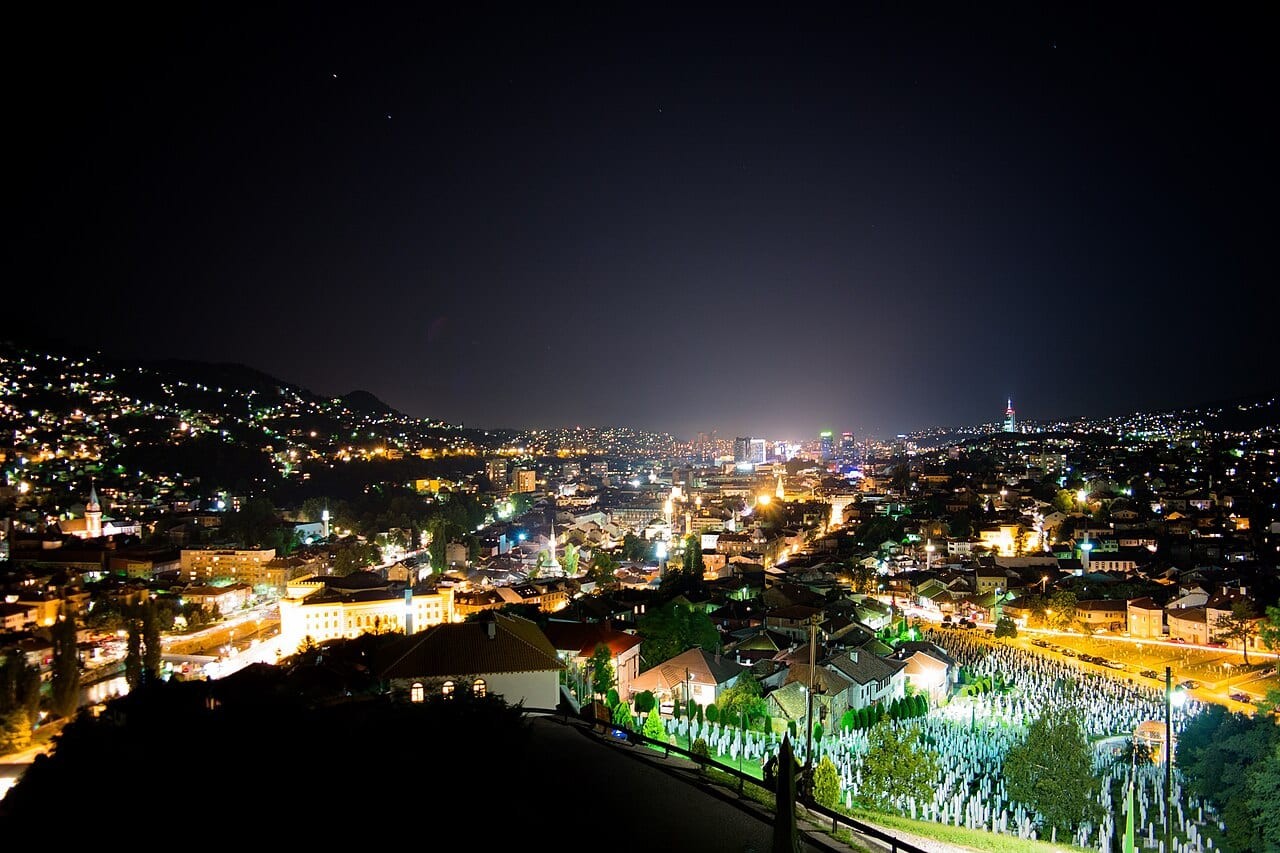
Sarajevo is the capital and largest city of Bosnia and Herzegovina, set in a river valley ringed by mountains and split historically between Ottoman, Austro-Hungarian, and modern quarters that give the city its distinctive East-meets-West character. As the seat of national government and the economic centre of the Federation of Bosnia and Herzegovina, the Sarajevo Canton concentrates the country's most active property market across its core municipalities of Stari Grad, Centar, Novo Sarajevo, and Novi Grad. New-build prices reached about BAM 3,694 (≈US$1,980) per square metre in 2025, up 7.6% year-on-year and at all-time highs, while secondary stock runs roughly €900–€1,200 per square metre and prime city-centre addresses can exceed €2,800/m². Rental yields are modest by Balkan standards, around 4% in the city, with select areas such as Ilidža reaching above 6%, reflecting strong price growth outpacing rents. The city draws value-seeking investors with low entry costs, EU-candidate upside, and a tourism revival, but the headwinds are notable: political fragmentation and constitutional complexity, a thin and locally-driven market, and a 23–24% annual drop in apartment and house sales across core municipalities in 2025 signalling cooling demand.

Belo Horizonte City Guide
Brazil
Belo Horizonte, the capital of Minas Gerais, is one of Brazil's first planned cities, a metropolis of roughly 2.3 million (around 6 million across the metro region) laid out on a grid below the Serra do Curral. Known for its warm mineiro hospitality, a celebrated bar-and-restaurant culture and the Niemeyer-designed Pampulha complex, it offers a more affordable, lower-volatility alternative to São Paulo and Rio. Foreigners buy urban property on fully equal terms, and prime value concentrates in a compact cluster of central-south neighbourhoods, Savassi, Lourdes, Funcionários, Belvedere and Buritis.
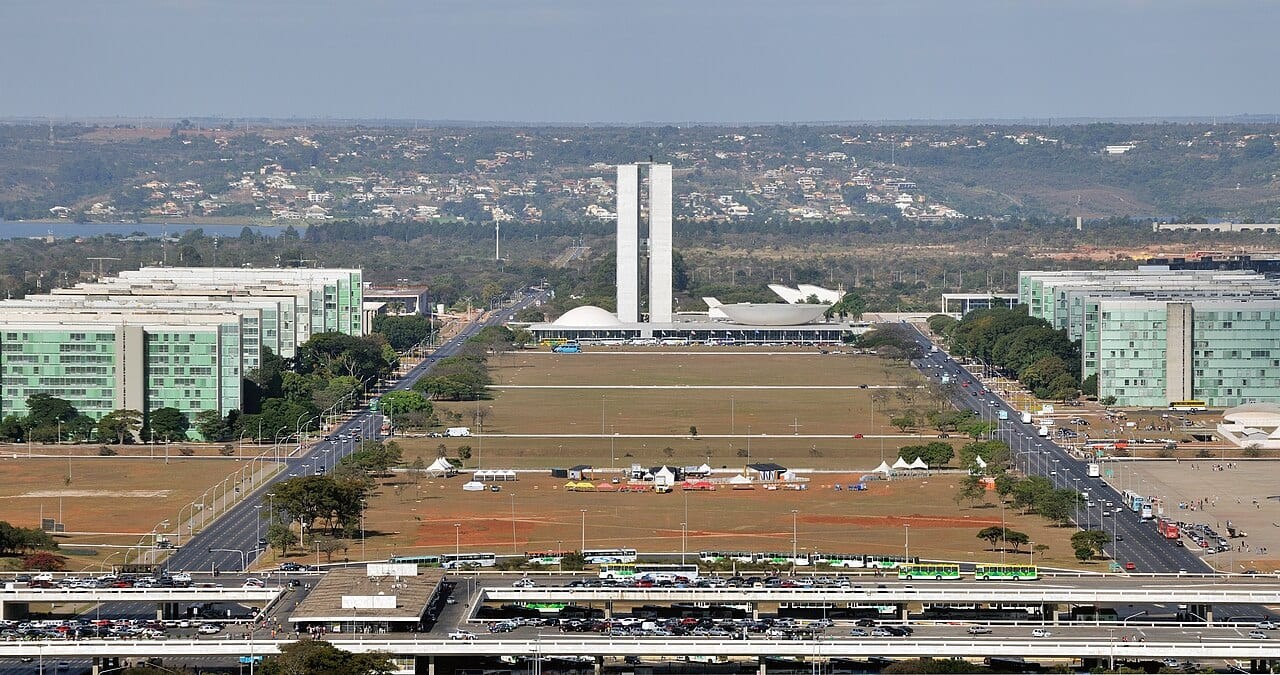
Brasília City Guide
Brazil
Brasília is Brazil's purpose-built federal capital, a UNESCO World Heritage modernist city designed by Lúcio Costa and Oscar Niemeyer, whose airplane-shaped Pilot Plan (Plano Piloto) organises residential life into low-rise superquadras along the North and South Wings. Home to roughly 3 million people (around 5 million across the Federal District region), it has Brazil's highest per-capita income, anchored by federal employment that gives the city unusually stable, recession-resistant housing demand. For investors it is a defensive, income-led market: appreciation is moderate, but rental demand from civil servants, University of Brasília students and professionals is deep, and protected urbanism keeps prime supply tight in Asa Sul, Asa Norte, Sudoeste and the lakeside Lago Sul/Lago Norte.
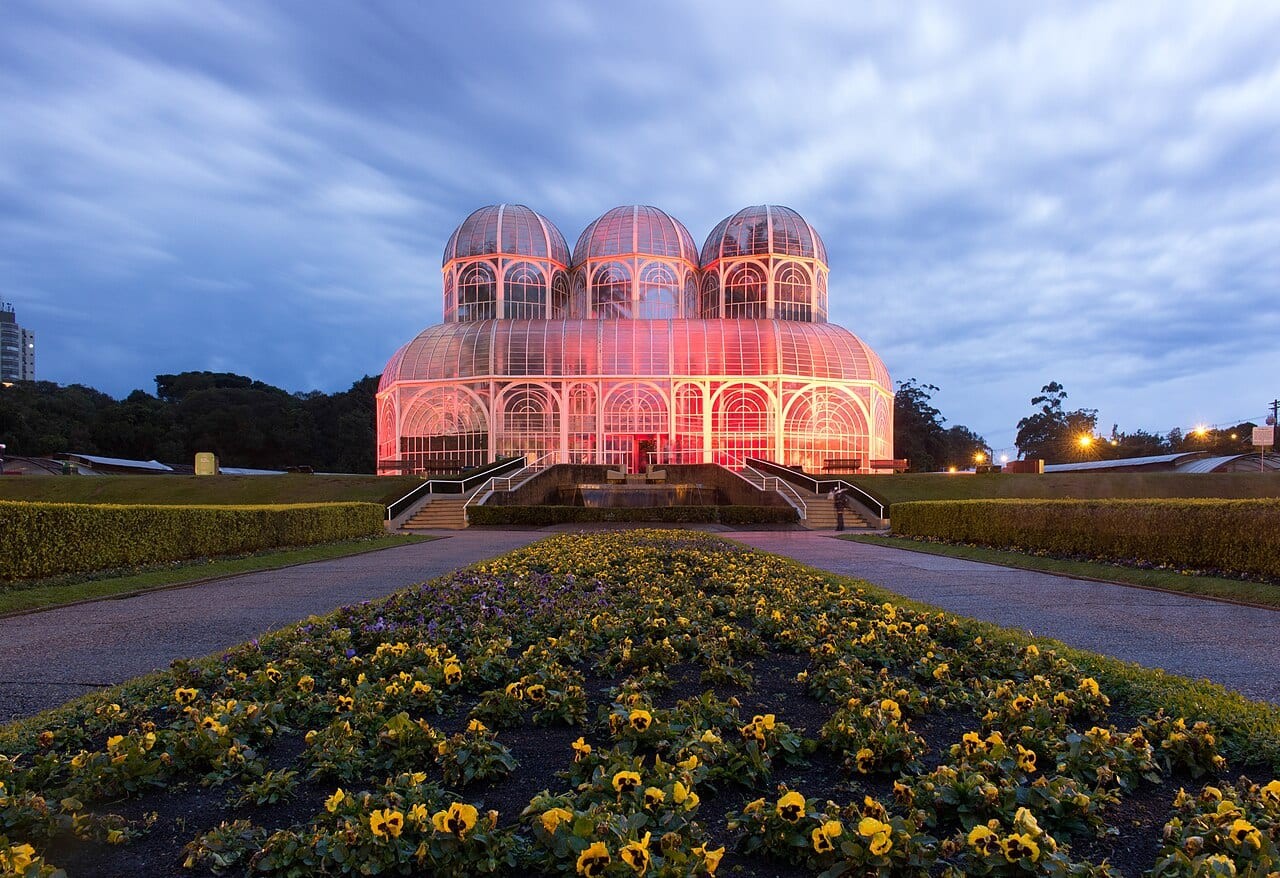
Curitiba City Guide
Brazil
Curitiba, the capital of Paraná, is Brazil's model of urban planning, a green, orderly city of around 1.8 million famed for pioneering bus-rapid-transit, abundant parks and a high quality of life, anchored by a diversified economy spanning industry, services and technology. For investors it offers a stable, well-run major-city market with strong domestic demand, walkable upscale districts like Batel, and Brazil's US-dollar-referenced dynamics.
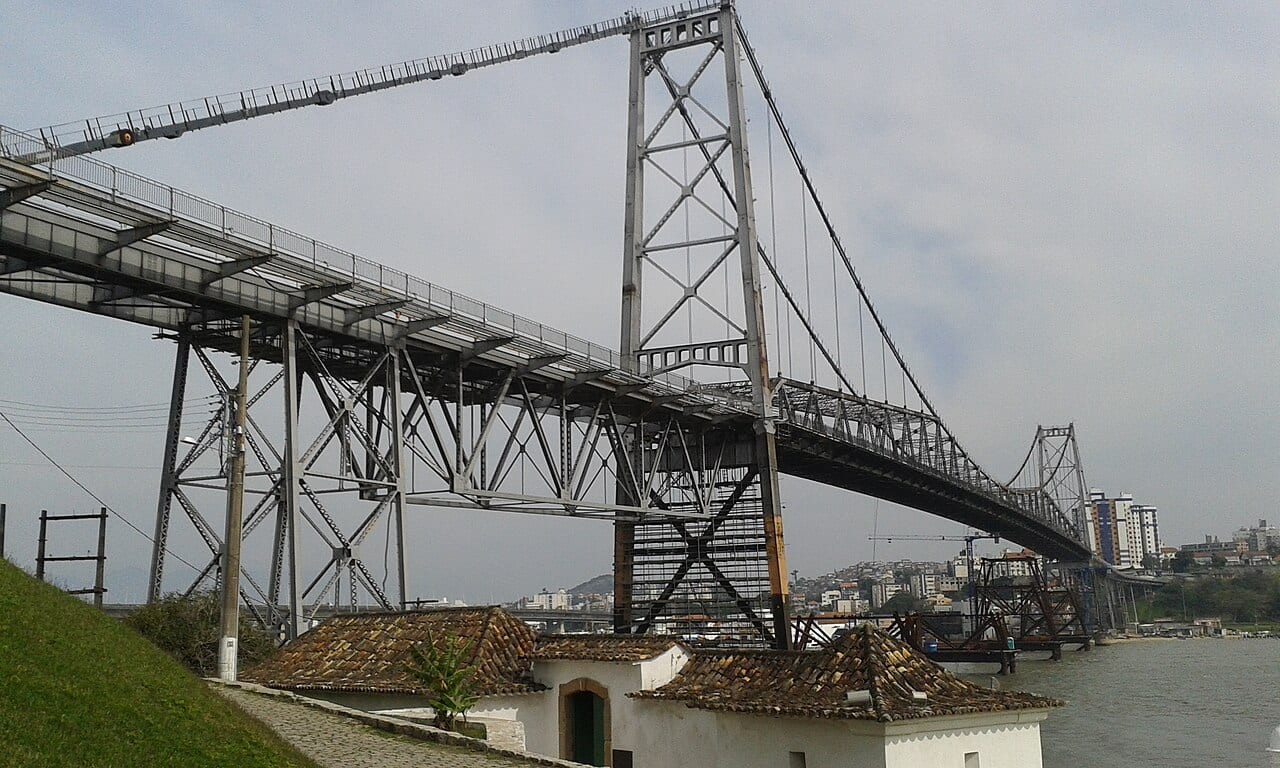
Florianópolis City Guide
Brazil
Florianópolis, 'Floripa', is the island capital of Santa Catarina and consistently rated among Brazil's highest quality-of-life cities: a surf-and-tech hub of more than forty beaches, a growing 'Brazilian Silicon Island' tech economy, and a magnet for domestic and Argentine tourists and lifestyle migrants. For investors it pairs strong tourism short-let demand with one of Brazil's fastest-appreciating residential markets, transacted in the country's US-dollar-referenced terms.
Fortaleza City Guide
Brazil
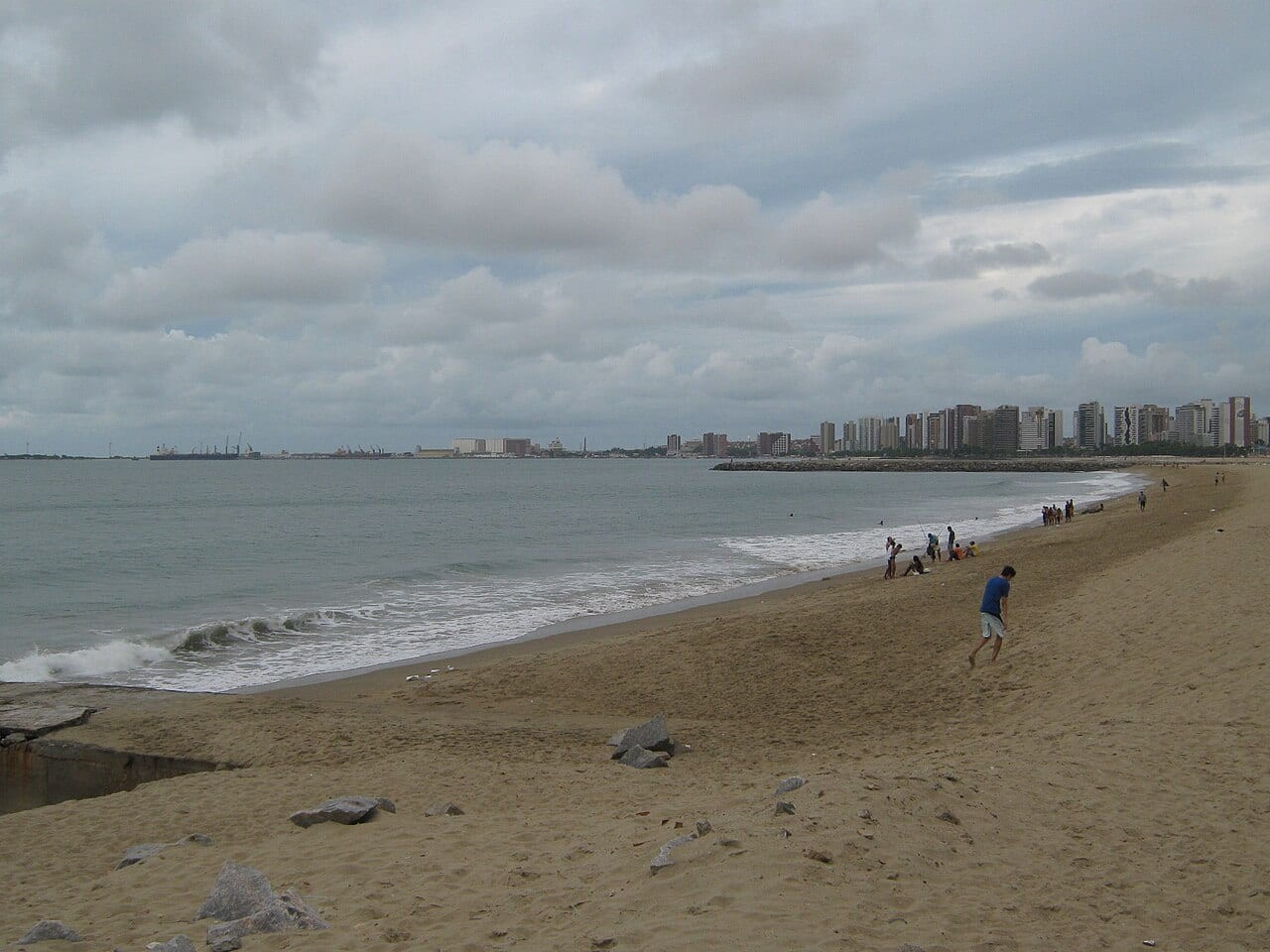
Fortaleza, capital of Ceara, has quietly become one of Brazil's most dynamic property markets. The country's fourth-largest city with a metropolitan population of around 4.3 million, it pairs more than 25 km of urban coastline with one of the strongest price-growth trajectories in the country: house prices rose roughly 12% year-on-year in early 2025 and the city topped the national Housing Demand Index. Premium beachfront condominiums in Meireles and Praia de Iracema command BRL 15,000-18,000 per square metre, yet the citywide average near BRL 5,800/m2 remains well below Sao Paulo and Rio, leaving room for further appreciation. The yield picture is two-tiered: long-let apartment yields average a modest 3-4% in prime beachfront pockets but climb toward 8-10% in working-class neighbourhoods, while well-managed short-term holiday rentals in coastal areas can reach 7-10% gross with peak-season occupancy above 80%. The fastest-rising districts heading into 2026 are Papicu, Praia do Futuro and Coco, driven by gentrification and future metro connectivity. Foreigners buy urban property freely, and purchases above BRL 700,000 open a permanent-residency route. Investors should weigh genuine risks: real-currency swings, high local financing costs, seasonal tourism dependence for short-let strategies, and wide safety variation between neighbourhoods.
Recife City Guide
Brazil
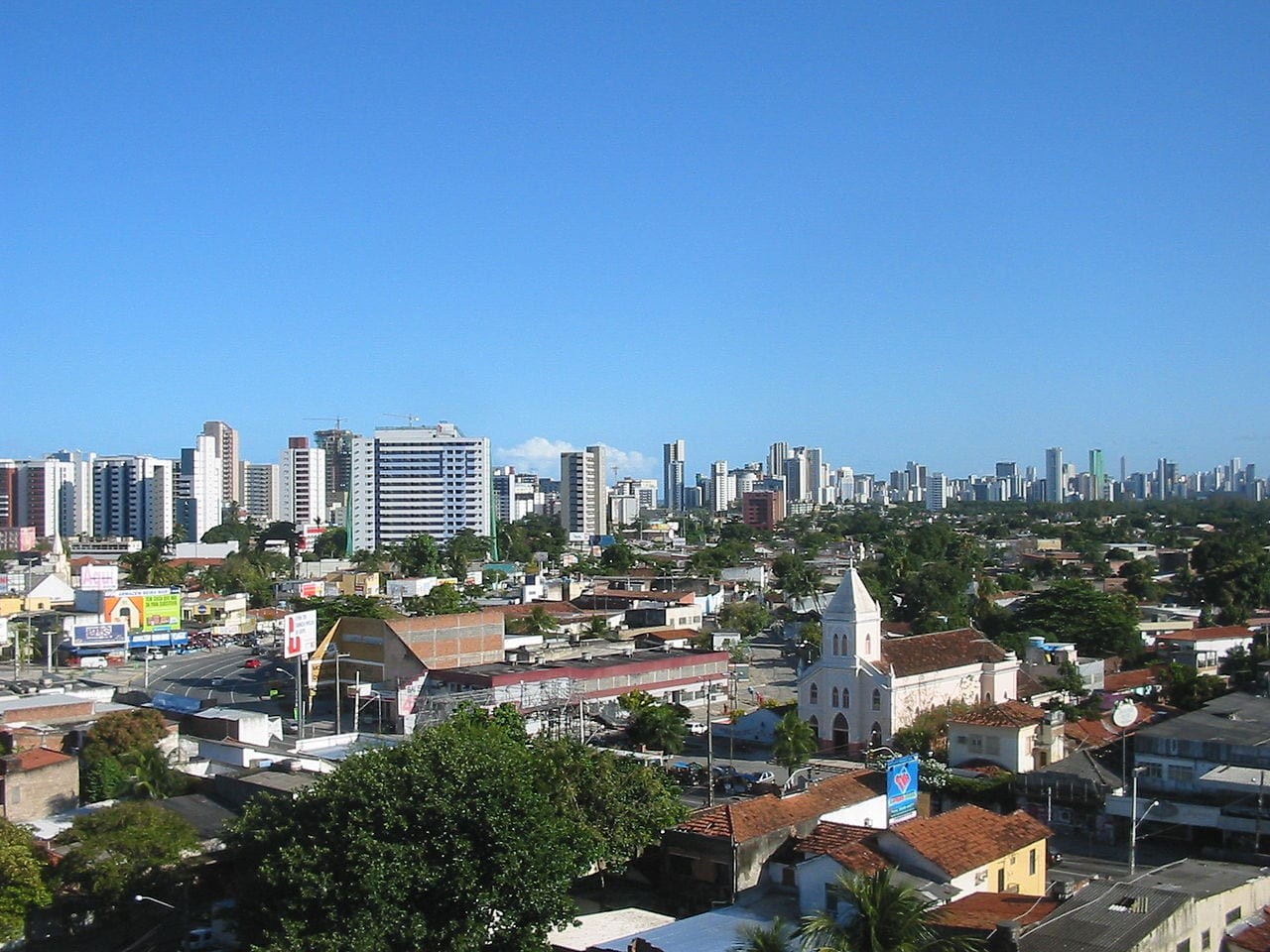
Known as the Brazilian Venice for its rivers, bridges and islands, Recife is the capital of Pernambuco and the economic engine of Brazil's Northeast. The city anchors a metropolitan region of roughly 4.3 million people and combines a deep historical core (the colonial Recife Antigo district) with a fast-growing technology cluster at Porto Digital, one of Latin America's most successful innovation parks. For property investors the appeal is twofold: entry prices remain a fraction of Sao Paulo or Rio at around BRL 5,200 per square metre, while gross rental yields are among the highest of any major Brazilian city, frequently in the 6-9% range. The beachfront district of Boa Viagem is the established prime market, prized for its long urban beach, dining and proximity to the financial centre, while Aldeia and the inland gated communities cater to families seeking space and security. Recife house prices rose a moderate 2.8% in early 2025, lagging hotter markets like Fortaleza, but the combination of affordability, a diversified services-and-tech economy, no restrictions on urban purchases by foreigners, and a permanent-residency route for purchases above BRL 700,000 keeps the city firmly on the radar for yield-focused buyers. Headwinds include Brazil's currency volatility, high domestic mortgage rates and urban-security perceptions that vary sharply by district.
Rio de Janeiro
Brazil
Rio de Janeiro is Brazil's iconic beachfront city, where the affluent Zona Sul neighbourhoods of Ipanema, Leblon and Copacabana meet the ocean beneath Sugarloaf and Corcovado. It is one of Brazil's two deepest property markets, split between scarce, premium-priced beachfront apartments in the south and the modern, master-planned towers of Barra da Tijuca to the west. Tourism and short-term rentals drive demand, and a weaker real has made dollar-holding foreign buyers more competitive. As across Brazil, the high policy rate frames the market as an inflation hedge and appreciation play rather than an income story, and nominal price growth should be read against inflation.
Salvador City Guide
Brazil
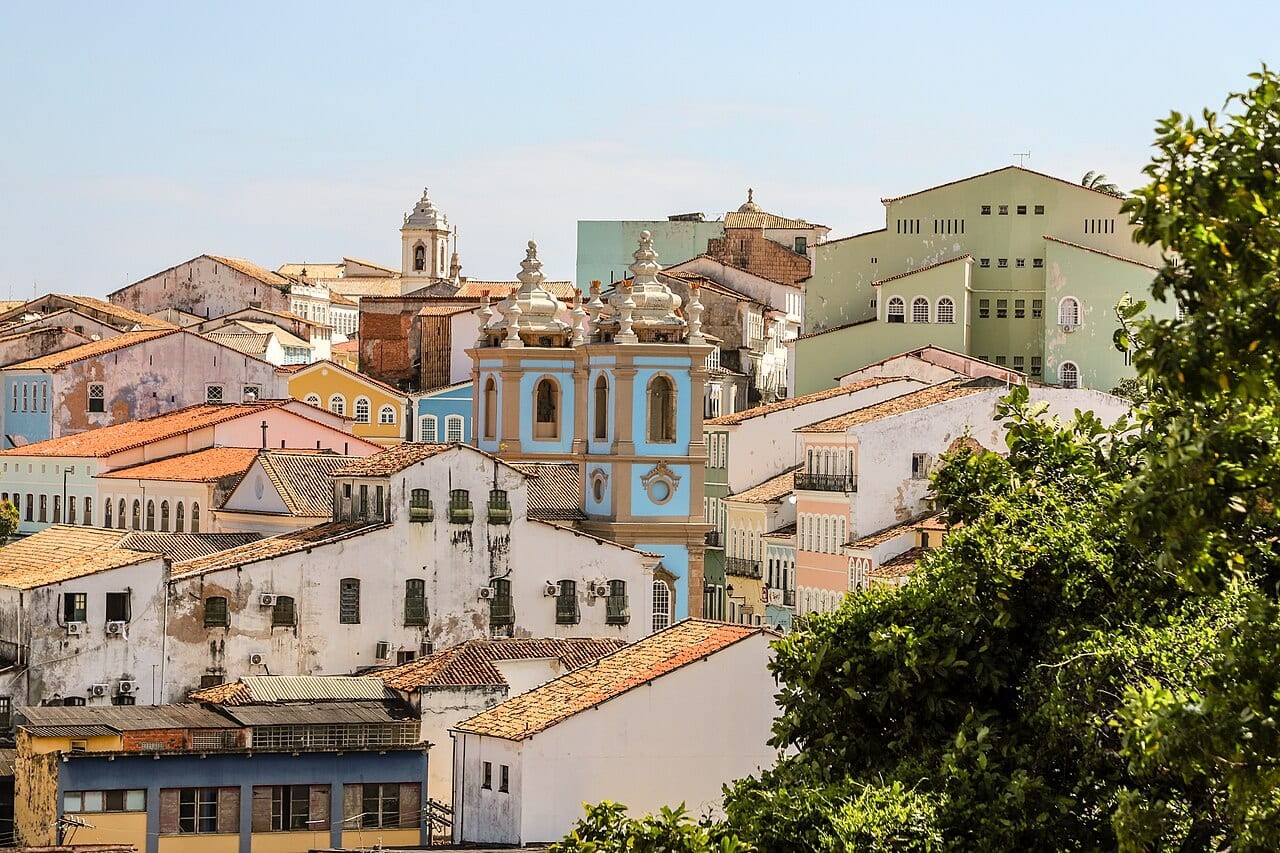
Salvador is the coastal capital of Bahia and Brazil's first colonial capital, home to the UNESCO-listed Pelourinho, the Afro-Brazilian cultural heartland of Candomblé and capoeira, and the largest street Carnival on earth. A metropolis of around 2.6 million (some 4 million across the metro region), it pairs a genuine year-round tourism-and-lifestyle economy with the strongest price momentum of any major Brazilian market. Crucially, Salvador sits in Brazil's Northeast, which qualifies for the discounted R$700,000 VIPER golden-visa threshold. The honest caveat is that safety varies sharply by zone: the prime southern/Orla beachfront (Barra–Ondina–Rio Vermelho) and the upscale Pituba–Itaigara belt are the investable focus.
São Paulo
Brazil
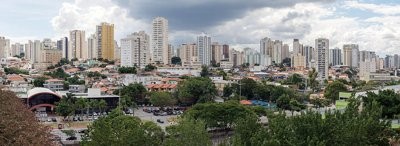
São Paulo is Latin America's financial capital and Brazil's largest city, the headquarters of the country's banks, corporations and the B3 stock exchange, with a metropolitan population of around 21.6 million. It is the deepest and most liquid property market in Brazil, centred on the Faria Lima corporate corridor and the affluent districts that surround it. With the policy rate (SELIC) elevated near 15% and gross residential yields around 6%, the investment case rests on inflation hedging and long-run capital appreciation rather than income, and on the distinction between strong nominal price growth and more modest real returns. A surge in new launches alongside softer high-end demand has tilted the premium segment toward buyers.

Plovdiv City Guide
Bulgaria
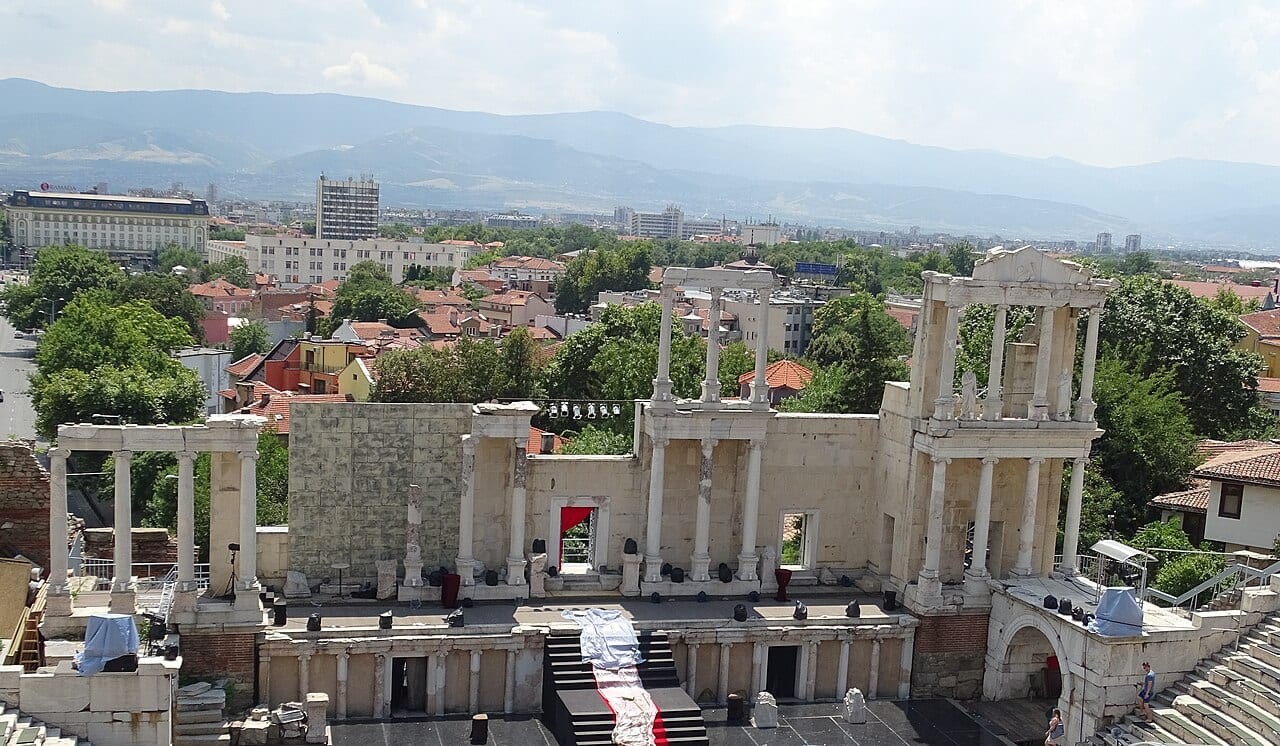
Plovdiv is one of Europe's oldest continuously inhabited cities (~8,000 years) and a 2019 European Capital of Culture, Bulgaria's vibrant second city behind Sofia. It combines some of Europe's lowest entry prices with relatively high yields, drawing value-focused and cultural-tourism investors to its UNESCO-listed Old Town, Roman monuments and the creative Kapana district. Citywide prices average roughly €1,150–1,500/m² (city-centre €1,600–2,000/m²), up from ~€800/m² in 2020, and Bulgaria's January 2026 euro adoption has removed currency risk for eurozone buyers. For investors it is a low-cost, higher-yield European entry: gross yields run ~4.7–6.2%, strongest on new-builds and small units.

Sofia City Guide
Bulgaria
Sofia is Bulgaria's capital and largest city — population 1.24M (city) / 1.55M (metro) — and one of Europe's oldest continuously inhabited capitals (Thracian origins ~7000 BC). The city sits at the foot of Vitosha Mountain (2,290m) with a layered Roman + Byzantine + Ottoman + Soviet-era + post-1989 modern cityscape. Sofia hosts Bulgaria's government, central bank, the rapidly-growing technology cluster (Sofia Tech Park), and the country's professional-services + financial-services + manufacturing employment core. Average residential property prices reached €2,400/m² by January 2026 — roughly 60% cheaper than Lisbon at €5,500+/m². With Bulgaria's January 2026 Eurozone accession + 2024 Schengen membership + 2007 EU accession, Sofia is now a fully-integrated European capital at the EU's most affordable price point.

Phnom Penh City Guide
Cambodia
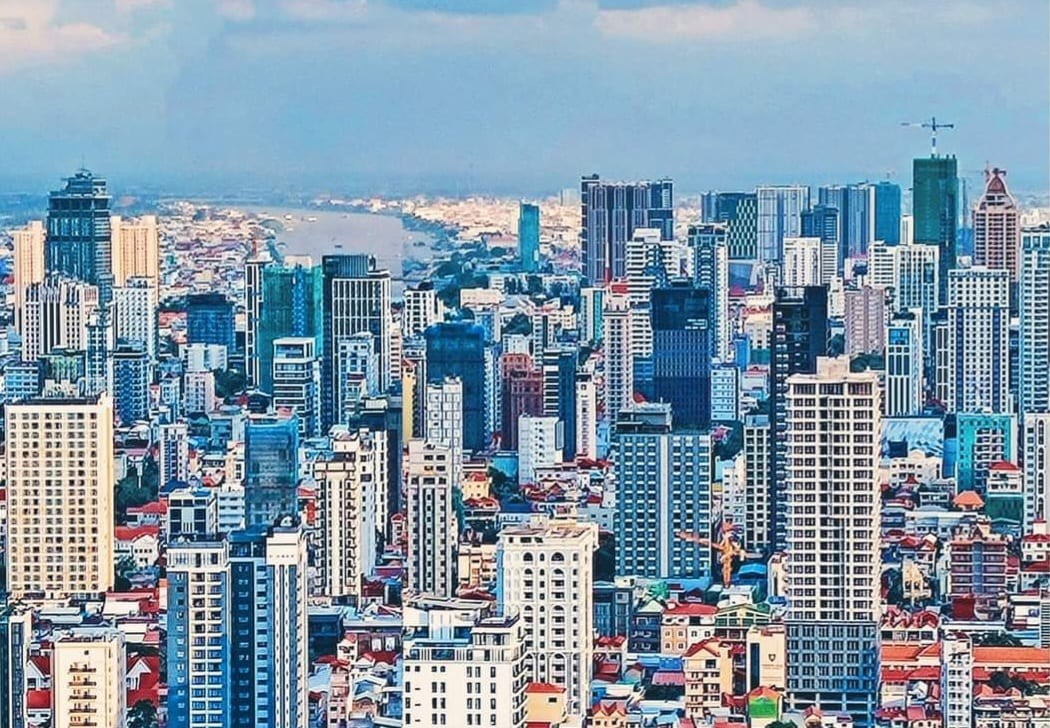
Cambodia's riverside capital is Southeast Asia's most accessible high-yield condominium market, built on a US-dollar economy that shields foreign buyers from currency risk and a strata-title regime that allows full foreign ownership of units above the ground floor. The investment map centres on Chamkar Mon, which contains the blue-chip BKK1 district where premium developments average USD 2,800-3,500 per square metre, alongside the riverfront Daun Penh quarter and the emerging 7 Makara growth zone. Entry-level stock sits at a far more accessible USD 1,500-2,200 per square metre, while prime prices stabilised around USD 1,800-2,400. After a subdued first half, the high-end segment showed clear recovery signals in late 2025, with average prices rising roughly 5% year-on-year to surpass USD 2,800 per square metre in Q4. Total condo supply reached nearly 80,000 units as vacancies eased toward 15% per project. With net rental yields among the highest in the region, typically a realistic 6-8%, Phnom Penh remains a yield-led play for investors comfortable with an oversupplied but recovering, dollarised frontier market.
Siem Reap City Guide
Cambodia
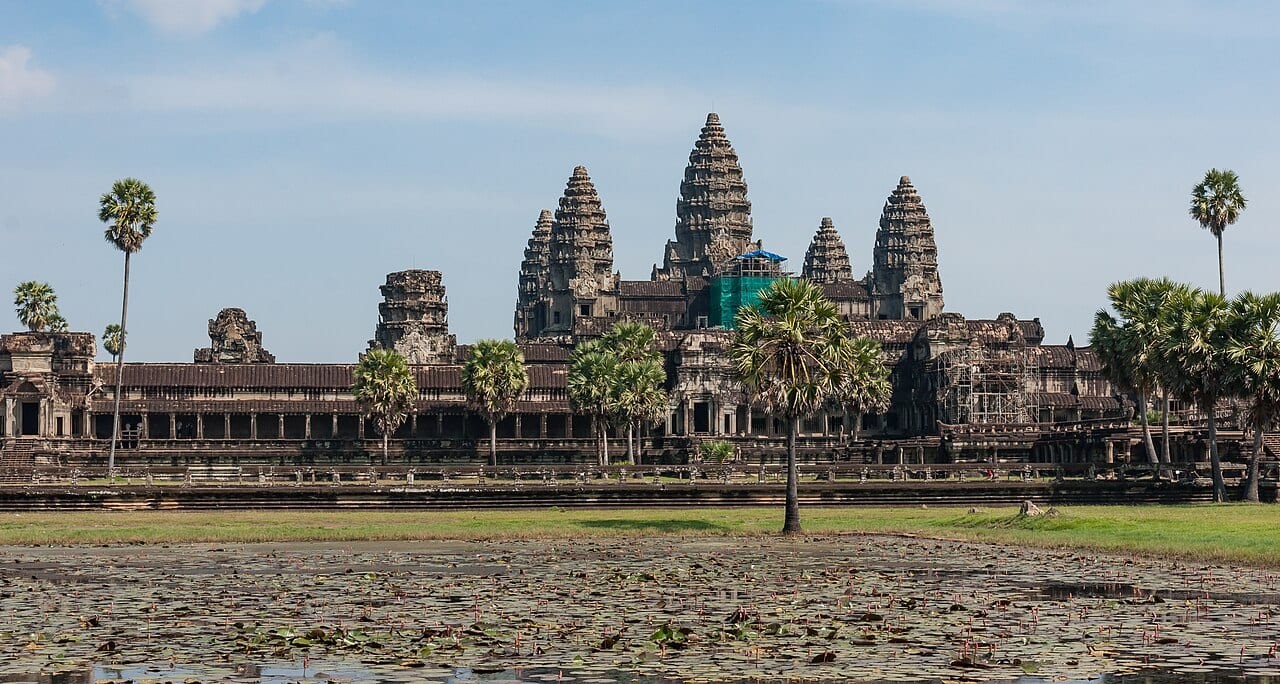
Gateway to the Angkor Wat temple complex, Siem Reap is Cambodia's premier tourism city and a low-rise property market shaped by heritage-protection rules that cap most buildings at six storeys to preserve the spiritual skyline. That height restriction limits vertical supply and channels investment toward boutique hotels, serviced villas and short-stay accommodation around the Old Market (Pub Street) core, the Wat Bo and Sala Kamreuk riverside areas, and the airport road toward the new Siem Reap-Angkor International Airport. Residential land in 2024 traded at roughly USD 100-150 per square metre, and the market is running hot in 2025: residential prices are rising an estimated 8-10% year-on-year, with condos up around 8% and luxury villas climbing 15-20%, while short-let occupancy reached an impressive 85%. Realistic gross rental yields sit in the 6-8% range. The new international airport, which moved flights away from the temples, is the central catalyst, and analysts project continued 8-10% annual growth in the near term, making Siem Reap a tourism-led growth story for investors comfortable with a small, seasonal market.

Montreal
Canada
Montreal is Canada's second-largest city and the cultural capital of French-speaking North America, a metropolitan area of around 4.6 million people that has become the best-performing major housing market in the country. More affordable than Toronto or Vancouver, it combines a deep student and talent base, McGill, Concordia, UdeM and UQAM, with a creative economy and a distinctive European character in neighbourhoods like the Plateau and Old Montreal. Crucially for foreign investors, Quebec imposes no provincial foreign-buyer tax, a relative advantage over British Columbia and Ontario, although the federal foreign-buyer ban still applies. While Toronto and Vancouver correct in 2026, Montreal is forecast to keep growing.
Toronto
Canada
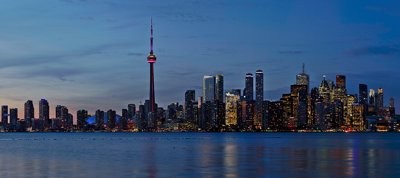
Toronto is Canada's largest city and financial capital, anchoring a metropolitan area of roughly 7.1 million people and home to the Toronto Stock Exchange and the country's major banks. It is the deepest, most liquid property market in Canada, spanning a dense downtown condo market, established residential neighbourhoods and fast-growing transit corridors. For international investors the city is defined as much by regulation as by fundamentals: the federal foreign-buyer ban applies in full (Toronto is a Census Metropolitan Area), and Ontario's 25% Non-Resident Speculation Tax plus the City of Toronto's 10% municipal NRST stack to a 35% surcharge where a purchase is permitted. 2026 is a reset year, with prices down mid-single digits year-on-year and elevated condo inventory shifting leverage toward buyers, even as multi-decade-low condo starts point to a future supply squeeze.

Vancouver
Canada
Vancouver is Canada's Pacific gateway and most expensive housing market, a metropolitan area of roughly 3.1 million people set between the ocean and the North Shore mountains. Its property market spans glass-tower condos in Coal Harbour and Yaletown, beachside Kitsilano, and dense transit-oriented corridors. For international investors the city is heavily regulated: the federal foreign-buyer ban applies (Metro Vancouver is a Census Metropolitan Area), British Columbia adds a 20% foreign-buyer tax in the region, and the Speculation & Vacancy Tax rises to 3% for foreign owners in 2026. The market is in a 2026 reset, with the benchmark down nearly 7% year-on-year and a further decline forecast, giving buyers leverage while supply scarcity and the coming Broadway Subway underpin the long run.

Praia City Guide
Cape Verde
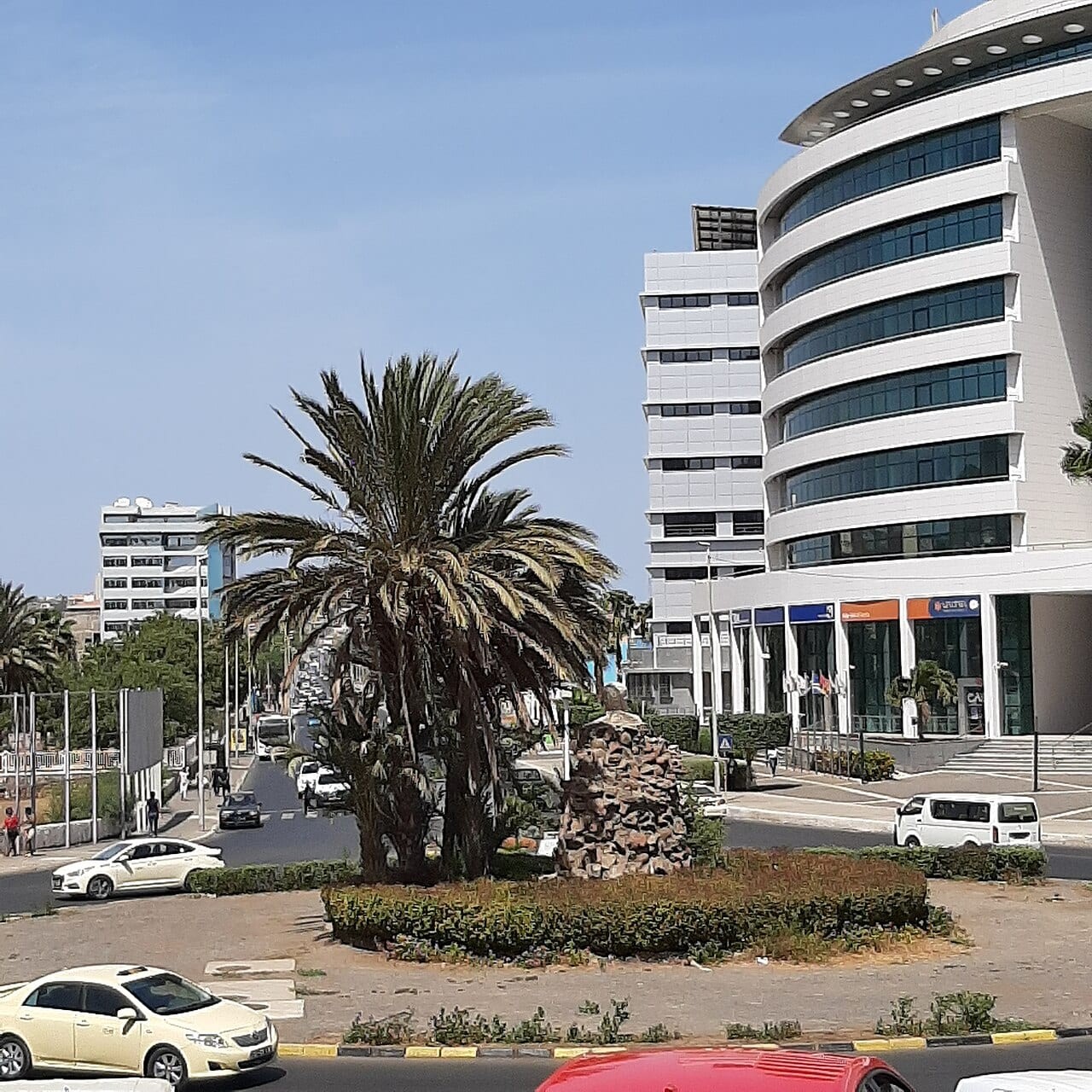
Praia is the capital and largest city of Cape Verde, sitting on the south-east coast of Santiago, the archipelago's biggest island, and serving as the nation's administrative, commercial, and political nerve centre with a population of roughly 160,000–168,000. Unlike the holiday-resort islands of Sal and Boa Vista, Praia's property market is driven by the administrative and corporate economy: long-term residential rentals to diplomats, business professionals, and government officials anchor steady demand, alongside a growing urban middle class. Average prices across Cape Verde run roughly €1,200–€1,650 per square metre, with seafront apartments achievable around €100,000 and citywide values rising at an estimated 5% a year. Rental yields in Praia commonly sit in the 6–8% range, supported by structural urban demand rather than seasonal tourism. The wider country is in the midst of a tourism boom, over 900,000 arrivals in 2023 against a population of around 560,000, which is reshaping the archipelago, though Santiago captures a smaller share of holiday visitors than Sal. The main risks are the small, illiquid market, the economy's dependence on tourism and remittances, and water/infrastructure constraints common to Sahelian island states.
Concón
Chile
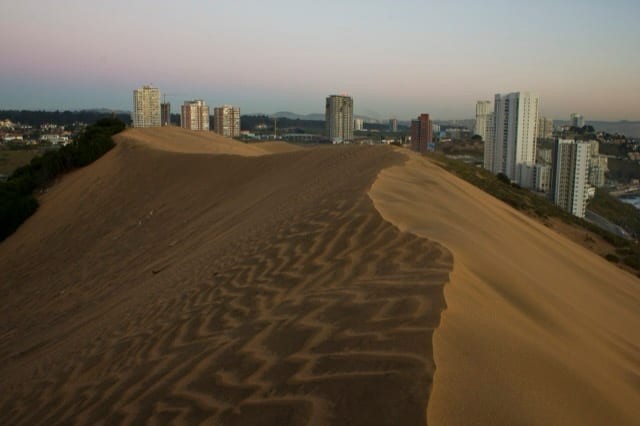
Concón is a fast-growing Pacific coastal city at the northern end of Chile's Greater Valparaíso conurbation, just north of Viña del Mar, celebrated for its dramatic sand dunes, surf beaches and a renowned seafood-restaurant strip. With around 50,000 residents and a steady inflow of Santiago second-home buyers and retirees, Concón has evolved from a weekend escape into one of central Chile's most dynamic apartment markets. New beachfront and hillside condos trade at roughly USD 2,300-2,700 per m2, with prime ocean-view units higher and inland stock from USD 1,900 per m2; buildable coastal plots near amenities run USD 250-500 per m2. Gross rental yields average about 4.3%, ranging from 3.9% to 4.7% across sectors, with strong seasonal short-let demand in summer. Concón is forecast among Chile's best growth markets, with apartment prices expected to rise 6-10% over 2026, roughly double the national average, as Metro Valparaíso extension benefits and relative affordability versus Viña del Mar draw buyers; the Bosques de Montemar sector ranks among the country's top areas for projected five-year cumulative growth of 30-50% in UF terms. Foreigners buy freely in Chile with the same rights as citizens and only a RUT tax ID required; note that public coastal land within 5 km of the shore is reserved for Chilean owners, but privately titled urban apartments and lots, the bulk of Concón's market, are fully open to foreign purchase.